April 23, 2026
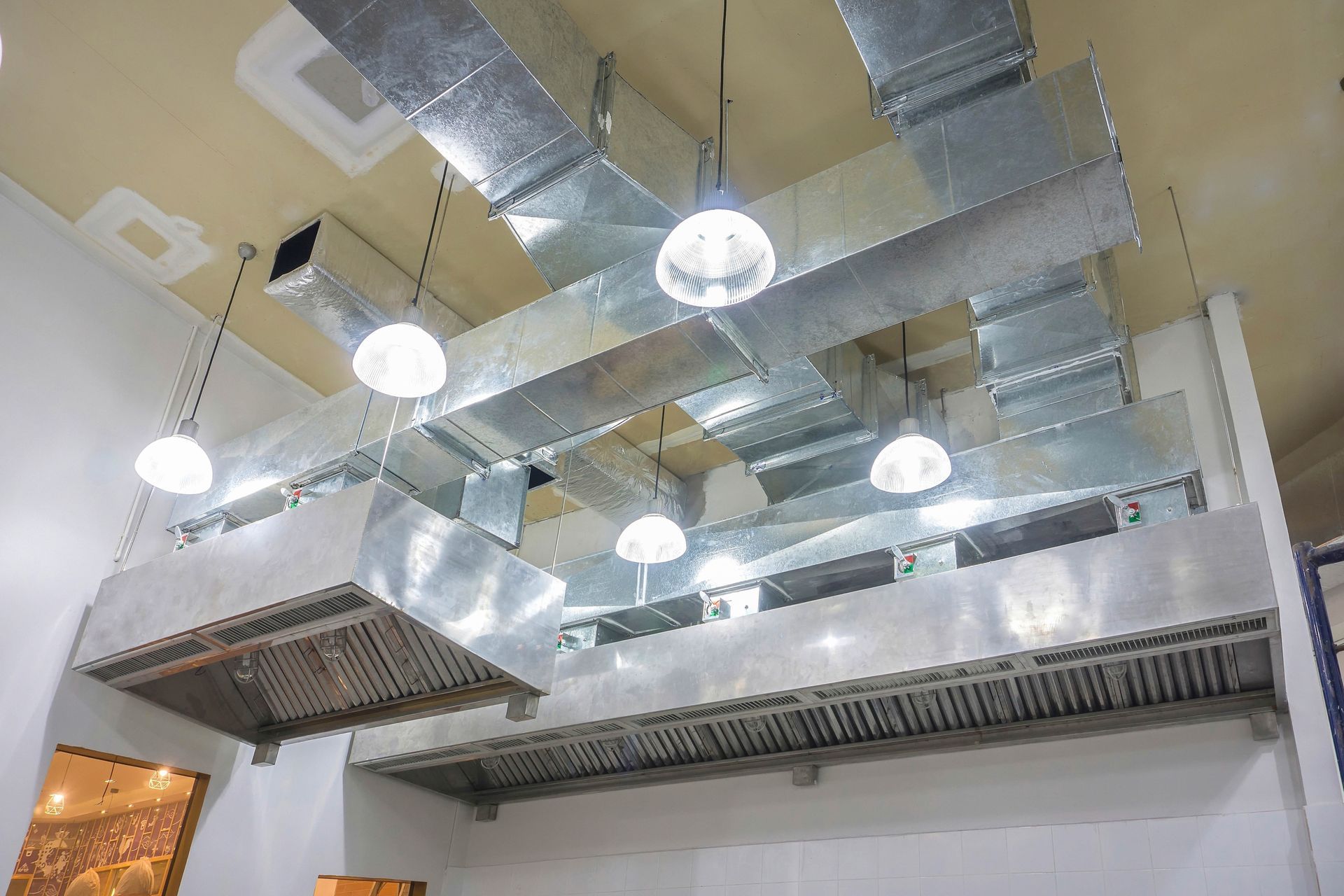
Every restaurant kitchen runs on speed, precision, and constant activity. But behind the sizzling pans and busy service is a system that often goes unnoticed until something goes wrong: the kitchen ventilation system. Over time, grease, smoke, and airborne particles naturally collect inside the hood and ductwork. When that buildup is ignored, it can affect air quality, equipment performance, and even overall safety. Regular maintenance is not just about cleanliness—it’s about protecting staff, customers, and the business itself. Understanding how this process works helps restaurant owners stay ahead of costly problems and maintain a safer, more efficient kitchen environment.
1. The Hidden Build-Up Above the Stove
In every commercial kitchen, cooking produces grease-laden vapor that rises and settles into the hood system. This accumulation happens gradually, often without immediate signs, which makes it easy to overlook. Over time, this residue becomes thicker and more difficult to remove without professional intervention. Routine kitchen hood cleaning plays a critical role in preventing this buildup from reaching dangerous levels.
When grease collects in the hood, it doesn’t stay isolated. It spreads through filters and into ducts, reducing airflow and forcing exhaust fans to work harder than intended. This not only increases energy usage but also shortens the lifespan of expensive equipment. Many restaurant owners don’t realize that what appears as a minor maintenance task can significantly impact daily operations. A clean system helps maintain proper ventilation, ensuring heat and smoke are efficiently removed from the kitchen space.
2. Improving Airflow and Kitchen Efficiency
A well-maintained ventilation system directly influences how smoothly a kitchen operates. When airflow is restricted by grease buildup, heat and smoke linger longer than they should. This creates an uncomfortable working environment and can slow down staff performance during peak hours. Professional kitchen hood cleaning helps restore proper airflow so the entire system functions as designed.
Efficient ventilation also supports better temperature control. Without excess grease obstructing airflow, exhaust systems can remove hot air more effectively, reducing strain on cooling systems in the building. This contributes to a more consistent kitchen environment where chefs can focus on food quality rather than dealing with excessive heat or smoke.
Additionally, when airflow is optimized, odors are less likely to spread into dining areas. This helps maintain a pleasant experience for guests and supports a restaurant’s reputation. In many ways, ventilation efficiency is directly tied to customer satisfaction, even if it operates behind the scenes. It also creates a more inviting atmosphere that encourages customers to stay longer and return in the future. Consistently fresh air quality reinforces a sense of cleanliness and professionalism throughout the entire space.
3. Reducing Fire Hazards in Commercial Kitchens
Fire safety is one of the most important reasons restaurant owners invest in proper maintenance. Grease is highly flammable, and when it accumulates inside a hood or duct system, it creates a serious risk. Even a small flare-up from cooking equipment can ignite built-up residue and quickly escalate into a dangerous situation. Regular kitchen hood cleaning is one of the most effective ways to reduce this risk.
According to FoodDocs, over 20% of restaurant fires are linked to dirty hoods and ducts that weren’t cleaned on time. This statistic highlights how preventable many of these incidents actually are. When ventilation systems are properly maintained, grease has less opportunity to accumulate and fuel potential fires.
Beyond preventing ignition, clean systems also help fire suppression systems function more effectively. If ducts are clogged or coated in grease, suppression efforts may be less effective in controlling a fire.
Keeping the hood system clean ensures that safety measures can perform as intended when they are needed most. It also allows suppressant agents to distribute more evenly throughout the affected areas. This added reliability can make a critical difference in limiting damage and protecting both staff and property.
4. Extending the Life of Kitchen Equipment
Commercial kitchen equipment represents a significant investment, and protecting that investment is essential for long-term profitability. When ventilation systems are clogged with grease, exhaust fans and motors must work harder to maintain airflow. This added strain can lead to premature wear and frequent repairs. Scheduling regular kitchen hood cleaning helps reduce this unnecessary stress on equipment.
Clean systems also improve overall mechanical efficiency. When air moves freely through ducts, fans operate under normal conditions rather than being overworked. This reduces energy consumption and minimizes the likelihood of breakdowns during peak business hours. It also helps maintain more stable ventilation performance throughout the day, even during heavy cooking demand. As a result, equipment experiences less strain, which can extend its overall service life.
In addition, consistent maintenance helps prevent secondary damage. Grease buildup can drip onto cooking equipment, walls, and surfaces, creating corrosion and hygiene issues. By maintaining a clean hood system, restaurant owners protect not only their ventilation system but also surrounding kitchen infrastructure. Over time, this contributes to lower maintenance costs and fewer unexpected service disruptions.
5. Meeting Health and Safety Standards
Health inspections are a routine part of running a restaurant, and ventilation systems are often closely evaluated. Inspectors look for signs of grease accumulation, poor airflow, and general cleanliness. Failing to meet these standards can result in fines or even temporary closures. Consistent kitchen hood cleaning helps ensure compliance with local health and safety regulations.
Beyond inspections, maintaining a clean system supports overall food safety. Grease buildup can contribute to unpleasant odors and airborne contaminants, which may affect food preparation areas. A properly maintained hood system helps reduce these risks by improving air circulation and keeping the kitchen environment more controlled.
It also demonstrates a commitment to professionalism. Restaurants that prioritize cleanliness in all areas—including those not visible to customers—build trust with both inspectors and patrons. This attention to detail reflects a higher standard of operation and can positively influence long-term business reputation.
6. Supporting a Cleaner and More Productive Workspace
A clean kitchen environment does more than meet regulations—it also improves daily morale and efficiency. Staff members working in a well-ventilated, low-smoke environment are better able to focus on their tasks without unnecessary discomfort. Regular kitchen hood cleaning contributes directly to this improved working atmosphere.
When grease and smoke are properly managed, surfaces stay cleaner for longer periods, reducing the amount of time spent on repetitive cleaning tasks. This allows staff to focus more on food preparation and customer service rather than constant maintenance of their workspace.
In addition, a cleaner kitchen supports better organization and workflow. Without excess heat or lingering odors, communication and movement within the kitchen become smoother. Over time, this leads to more efficient service and a better overall dining experience for customers.
A restaurant’s success depends on far more than just great food. Behind every efficient kitchen is a ventilation system that must be properly maintained to ensure safety, cleanliness, and performance. From reducing fire risks to improving airflow and supporting equipment longevity, consistent maintenance plays a vital role in daily operations. When these systems are neglected, small issues can quickly escalate into major problems that disrupt business.
For restaurant owners who want to protect their investment and maintain a safe working environment, professional care makes all the difference. Supreme Hood Cleaning provides the expertise needed to keep kitchen ventilation systems operating at their best.